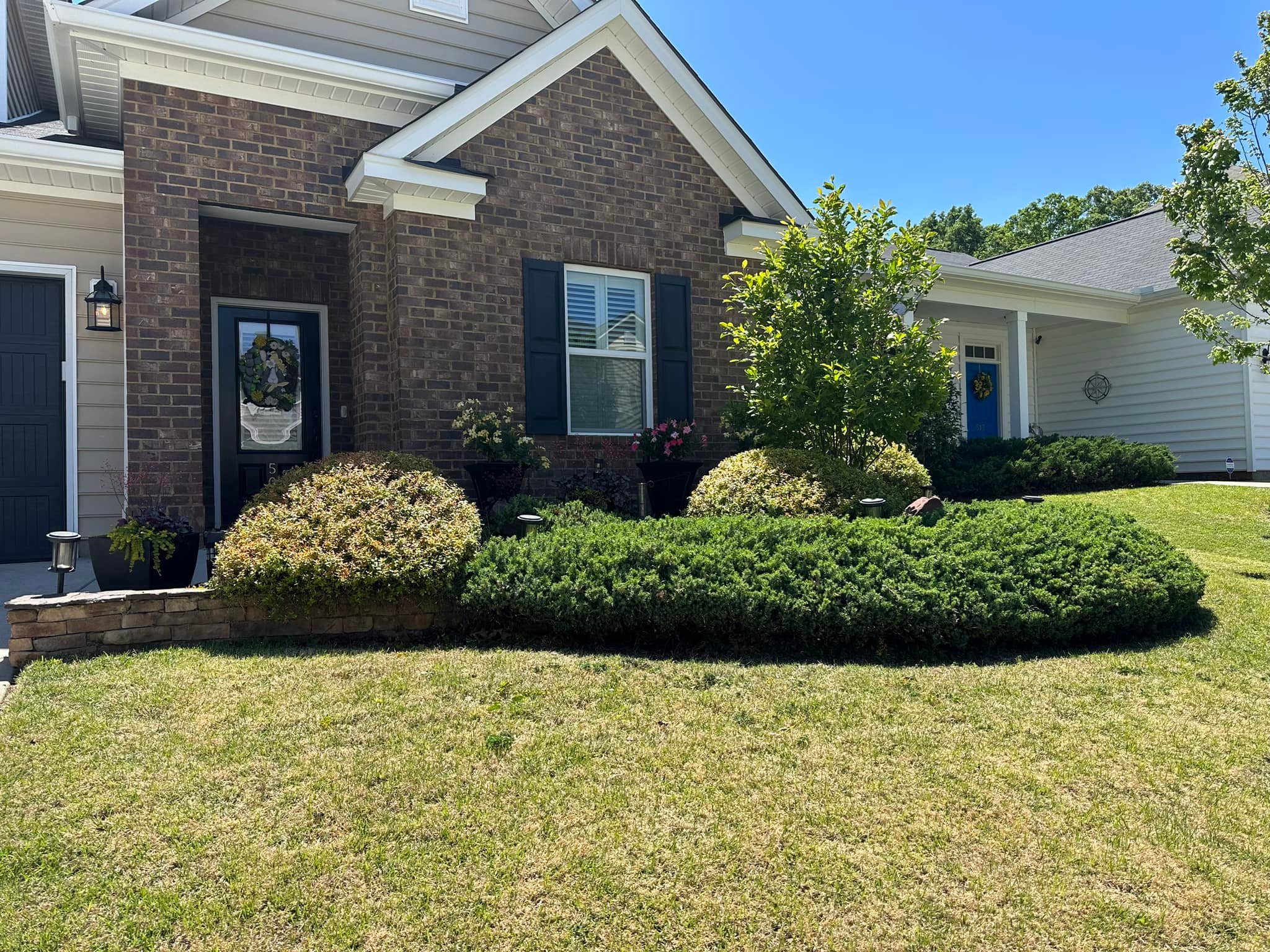
Eco-Chic: Integrating Sustainable Design into Your Landscape Jun 17, 2026
Sustainable landscaping begins with thoughtful design that respects the natural environment. This means understanding your local climate and selecting native plants that thrive with minimal intervention. Native plants require less water, fertilizer, and pesticide, which reduces maintenance costs and environmental impact. These plants also support local wildlife, promoting a balanced ecosystem in your garden.
Hardscaping, which involves the non-living elements of your landscape like patios, walkways, and walls, offers great opportunities for sustainable design. Opt for materials like permeable pavers that allow rainwater to seep into the ground, reducing runoff and recharging groundwater supplies. Recycled materials are another excellent choice for pathways and garden sections, as they minimize the demand for new raw materials and reduce waste.
Irrigation is a significant factor in eco-friendly landscaping. Efficient irrigation systems, such as drip lines or soaker hoses, deliver water directly to plant roots, reducing evaporation and water wastage. Consider installing rainwater harvesting systems to collect runoff from rooftops and use it for irrigation. This not only makes use of a free natural resource but also reduces your dependency on municipal water supplies.
Composting is another straightforward yet effective way to foster sustainability in your landscape. By composting kitchen scraps and yard waste, you create rich soil amendments that nourish your garden naturally, minimizing the need for chemical fertilizers. Composting reduces landfill waste and replenishes soil nutrients, keeping your plants healthy and vibrant.
One of the less discussed but impactful eco-friendly practices is reducing lawn areas in favor of natural meadows or ground covers. Traditional lawns often require a significant amount of water, fertilizers, and pesticides. By opting for design elements like rock gardens or ornamental grasses, you can create a visually appealing, low-maintenance landscape that conserves resources.
Mulching is a crucial practice for any sustainable landscape design. Applying a layer of mulch around plants helps retain soil moisture, suppress weeds, and provide organic matter as it breaks down. Natural mulches such as wood chips or bark have the added advantage of being more environmentally friendly than synthetic alternatives.
Lighting is another aspect of landscape design where sustainability can shine. By choosing solar-powered outdoor lights or employing energy-efficient LED lights, you can reduce energy consumption while still enjoying a beautifully lit garden. Position lights strategically to highlight focal points and ensure safety without creating excessive light pollution.
In conclusion, integrating sustainable design into your landscape is a rewarding endeavor that benefits both your property and the environment. At S&D Lawn & Landscape LLC, we are committed to helping our clients create eco-chic landscapes that balance beauty with environmental stewardship. By implementing these sustainable practices, you not only enhance your outdoor space but also contribute to a healthier planet for future generations. Ready to transform your garden into an eco-friendly masterpiece? Contact us today for expert guidance tailored to your specific needs.
/filters:no_upscale()/filters:format(webp)/media/db089e67-1f6b-4c3b-9f60-03d074590ad4.jpeg)