Lush Layers: How to Create Depth and Texture in Your Garden Jun 29, 2026
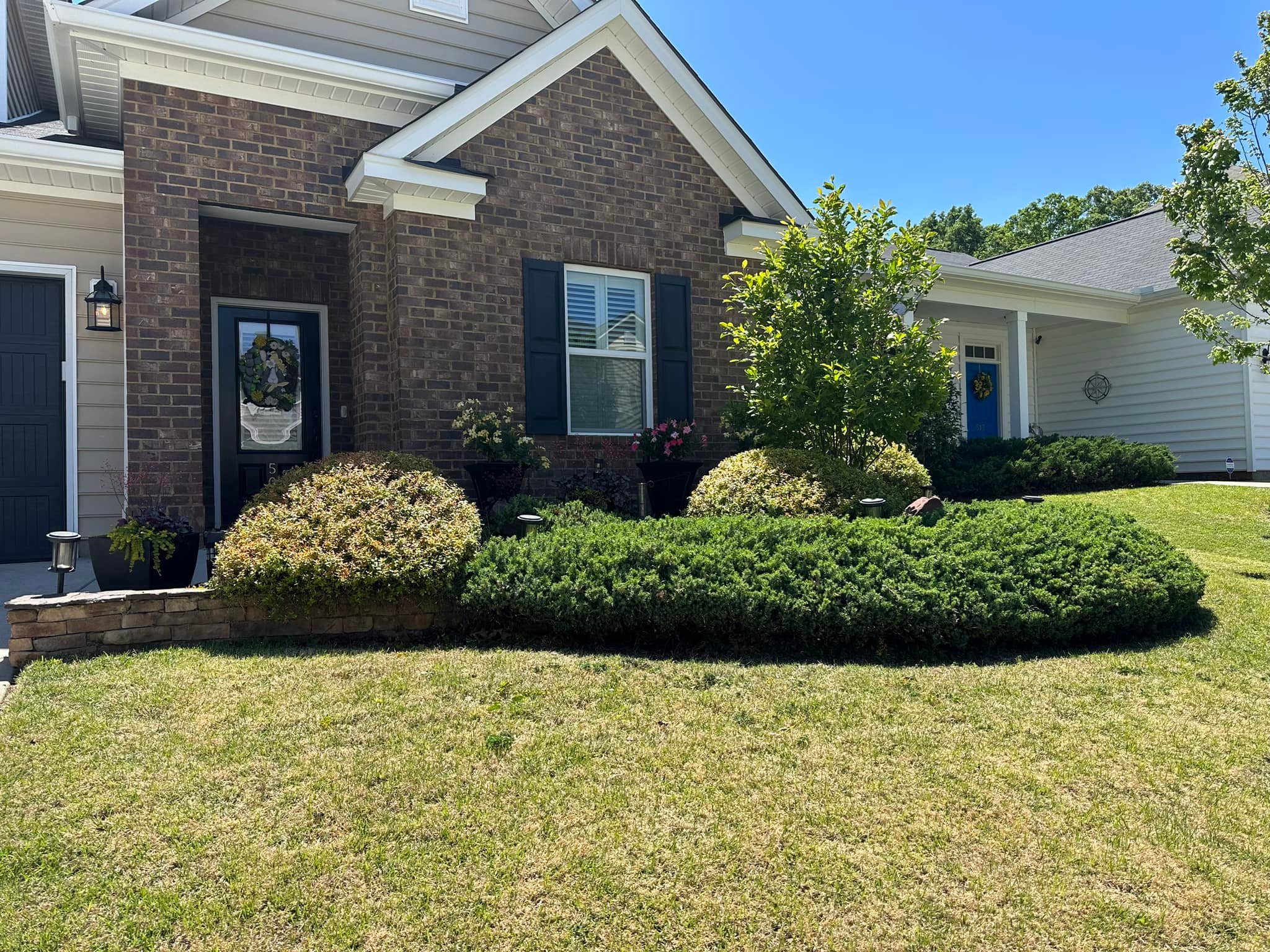
To start creating depth, consider your garden as a three-dimensional space, where you manipulate height, width, and depth to draw the eye in various directions. One fundamental approach is tiered planting, which involves placing taller plants in the back, medium-height plants in the middle, and shorter ones in front. This simple technique ensures every plant type is visible and contributes to the garden's overall aesthetic. Evergreen shrubs make great backdrops due to their year-round foliage, while perennials and annuals can brighten the middle and front layers with seasonal colors and textures.
Textures play a critical role in adding interest to your garden. Incorporating plants with different leaf shapes and surfaces—such as smooth, velvety, or jagged—can create visual contrast. For example, pairing spiky ornamental grasses with soft lamb's ear plants can provide a striking combination that catches the eye and engages the senses.
Next, consider the role of color in creating depth. Planting flowers with warm hues like reds, yellows, and oranges can make areas of your garden appear closer, while cool tones such as blues and purples can suggest distance. This color effect can be used strategically to manipulate the perceived depth of your garden space. Complementary colors placed next to each other can also create vibrant, eye-catching contrast.
A crucial element often overlooked is the inclusion of hardscaping elements in garden design. Paths, rocks, benches, and water features can add necessary structure and break monotony. When used thoughtfully, pathways encourage exploration and flow, guiding visitors through the garden's layered design. Natural stone can provide a neutral palette that complements the surrounding greenery and blooms, while a well-placed water feature can add tranquility and a focal point to the landscape.
Layered planting is not just about aesthetic appeal—it also contributes to a self-sustaining garden environment. Layered gardens can improve soil health by reducing erosion, increasing biodiversity, and providing habitats for beneficial insects and wildlife. By planting groundcovers as the lowest layer, you naturally suppress weeds, retain moisture, and reduce soil erosion.
Remember, successful garden layers require maintenance. Regular pruning helps maintain shape and size, ensuring each plant can thrive without encroaching on its neighbors. Mulching can conserve moisture and maintain healthy soil, benefiting all layers of your garden.
In conclusion, the art of layering plants and incorporating hardscaping elements can redefine your garden, making it both beautiful and practical. Whether you're enhancing an existing garden or starting from scratch, consider reaching out to S&D Lawn & Landscape LLC for expert advice and services. Our professional team can assist in selecting the right plant species and design elements tailored to your specific landscape, paving the way for a garden that thrives with depth and texture all year round. Through these thoughtful designs, you're creating not just a garden, but an ecosystem that will flourish and provide enjoyment for years to come.
/filters:no_upscale()/filters:format(webp)/media/db089e67-1f6b-4c3b-9f60-03d074590ad4.jpeg)